Latest News

Spring Isn’t a Switch: Helping the Body Transition Gently

There’s a cultural expectation that spring arrives like a light switch. One day we’re tired and inward, the next we’re energized, motivated and ready to “detox.”

But the body doesn’t work that way. Spring is not an instant awakening. It’s a transition. And for many people, that transition is messy, uncomfortable and misunderstood.

The Awkward In-Between Season

Late winter and early spring are a physiological threshold. The body begins shifting from conservation to movement, but it hasn’t fully arrived yet.


This can look like:

  • Fatigue mixed with restlessness
  • Digestive sluggishness
  • Headaches or irritability
  • Skin flare-ups
  • A sense of pressure to “do more” without the energy to match

When we expect immediate vitality, we often misinterpret these signals as failure instead of transition.

Why Spring Can Feel Hard at First

As circulation increases and metabolic processes wake up, stored waste products begin to move. The liver and gallbladder take on more work, digestion shifts and the nervous system recalibrates.


If winter was spent pushing, ignoring fatigue or running on stress hormones, spring can feel especially rough. The body is trying to rebalance, not sprint.


Spring symptoms are often a request for support, not intervention.

Gentle Herbal Support for the Transition

Spring herbs work best when they assist movement without overwhelming the system.


Bitters and Digestive Allies

Gentle bitters help wake up digestion, stimulate bile flow, and ease the transition into lighter spring foods. 

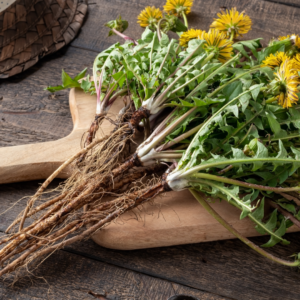
  • Dandelion root (Taraxacum officinale)
    Classic gentle bitter that supports digestion + bile flow without being harsh. Try a simple dandelion root decoction by simmering 1 teaspoon of dried root in 1–2 cups of water for 10–15 minutes. Sip 10–15 minutes before meals to gently stimulate digestive secretions and ease that heavy, sluggish spring digestion.
  • Gentian (Gentiana lutea)
    Stronger bitter for sluggish digestion, low appetite, or that “heavy after meals” feeling. Small doses go a long way.
  • Artichoke leaf (Cynara scolymus)
    Great for supporting bile production and fat digestion, especially if digestion feels slow after winter.

Liver-Supportive Herbs
Rather than aggressive “cleanses,” spring calls for herbs that support detoxification pathways gradually and consistently.

  • Milk thistle seed (Silybum marianum)
    Deep liver protector and regenerator (love this one for modern life liver stress).
  • Burdock root (Arctium lappa)
    A slow-and-steady alterative; supports liver/skin/lymph (perfect for that “spring clearing” vibe without intensity).

    Simmer 1 teaspoon of dried burdock root in 1–2 cups of water for 15–20 minutes to make a decoction. Drink 1 cup daily for several weeks to gently support elimination. Burdock can also be added to broths and soups, making it an easy way to incorporate liver support into everyday meals rather than approaching it like a “cleanse.”

  • Yellow dock root (Rumex crispus)
    Supports liver function and elimination and is especially helpful when people feel sluggish and constipated (a common early spring combo).

Nervines and Adaptogens
The nervous system also needs support during seasonal change. Herbs that calm, ground, and stabilize energy help prevent burnout as momentum returns.

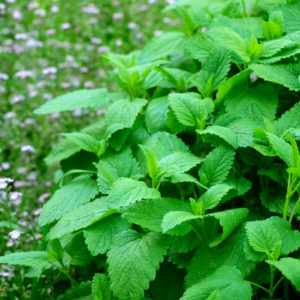
  • Lemon balm (Melissa officinalis)
    A top pick for seasonal transitions: light, uplifting, calming and friendly for tense digestion too.

    Steep 1–2 teaspoons of dried herb in hot water for 10–15 minutes and enjoy in the afternoon when energy dips or irritability rises. It pairs beautifully with digestive bitters if both mood and digestion feel unsettled.

  • Skullcap (Scutellaria lateriflora)
    For the wired-but-tired nervous system and spring irritability.
  • Tulsi (Ocimum tenuiflorum)
    Gentle adaptogen that supports stress, resilience and mood while energy ramps up.
Slow Is Strategic

One of the most common mistakes in spring is doing too much, too fast.


True seasonal alignment looks like:

  • Gradually increasing activity
  • Supporting elimination gently
  • Eating lighter without restriction
  • Letting motivation build organically
  • Listening closely to signs of overwhelm

Spring doesn’t reward force. It responds to rhythm.

From Dormancy to Direction

Growth doesn’t begin with explosion. It begins with subtle movement. A soft thaw. A little more circulation each day. When we honour spring as a process rather than a command, the body responds with resilience, clarity and sustainable energy.


Spring isn’t a switch. It’s a conversation. And herbal medicine helps us listen.

🌸 Spring is an ideal time to deepen your understanding of seasonal physiology, liver health and digestive support through herbal medicine. When learning aligns with nature’s rhythms, both the body and the mind thrive.


Spring is an ideal time to study digestion, liver health, and seasonal physiology. Whether you’re just starting with Herbology 101 or ready for deeper clinical study in
The Fire Within and The Inner Alchemist, these courses at Wild Rose College of Herbal Medicine offer grounded, seasonally aligned learning to support both the body and your practice.

Recent Posts

Heart Medicine in the Dark Season: Emotional & Cardiovascular Support in Winter

Winter draws us inward. The days are shorter, the air is heavier, and for many of us, the heart feels a little more tender this time of year. In herbal medicine, the heart is never just a pump. It is the seat of emotional circulation, connection, rhythm and warmth. In the dark season, when external […]

January at Wild Rose: The Quiet Start to a New Year

At Wild Rose College, we believe winter isn’t a pause in learning, it’s an invitation to go deeper. While the world around us is rushing into resolutions and to-do lists, nature continues to rest. The plants are still holding their energy underground. The light is just beginning to return. And within this quiet, there’s space […]

Pine + Cedar: Forest Medicine for Winter Lungs

In winter, the world goes quiet. Sap retreats into the earth, plants pause their outward growth, and nature invites us to follow her lead; slower mornings, deeper breaths, long exhalations. While many plants die back or rest under snow, the evergreens remain. Pine. Cedar. Spruce. Fir. They stand in their green resilience, not by fighting […]

Vata, Pitta, Kapha: The 3 Ayurvedic Superpowers You Already Have

There’s a moment, usually the first time someone hears the word Ayurveda, when something inside us lights up. A tiny fire of recognition. Because Ayurveda isn’t about becoming someone new. It’s about remembering who you already are. Ayurveda translates to “The Science of Life.” It teaches that we are each born with a unique formula […]