Knowing About Plants and Knowing Plants
Herbalism offers a particularly interesting place to explore this distinction. As herbal students and practitioners, we devote considerable time to learning about medicinal plants. We study their botanical characteristics, chemical constituents, therapeutic actions, traditional uses, and methods of preparation. This knowledge is an essential part of herbal education. It helps us understand how plants interact with the human body and how to work with them responsibly.
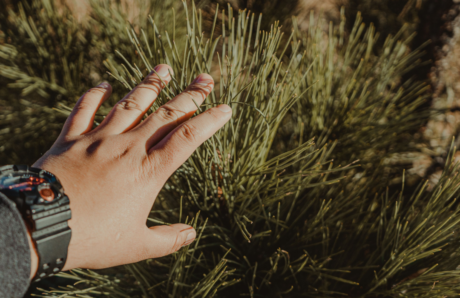
But there’s another kind of knowledge that develops through direct experience. It’s the familiarity that comes from visiting the same patch of nettles throughout the growing season, watching a plant respond to changes in weather, or noticing the scent and texture of an herb as we prepare it for medicine.
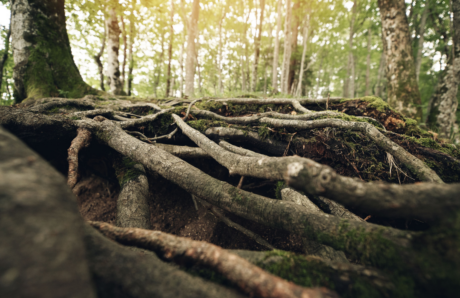
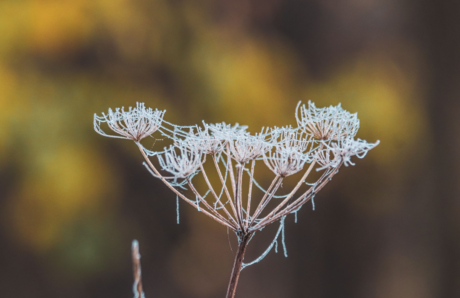
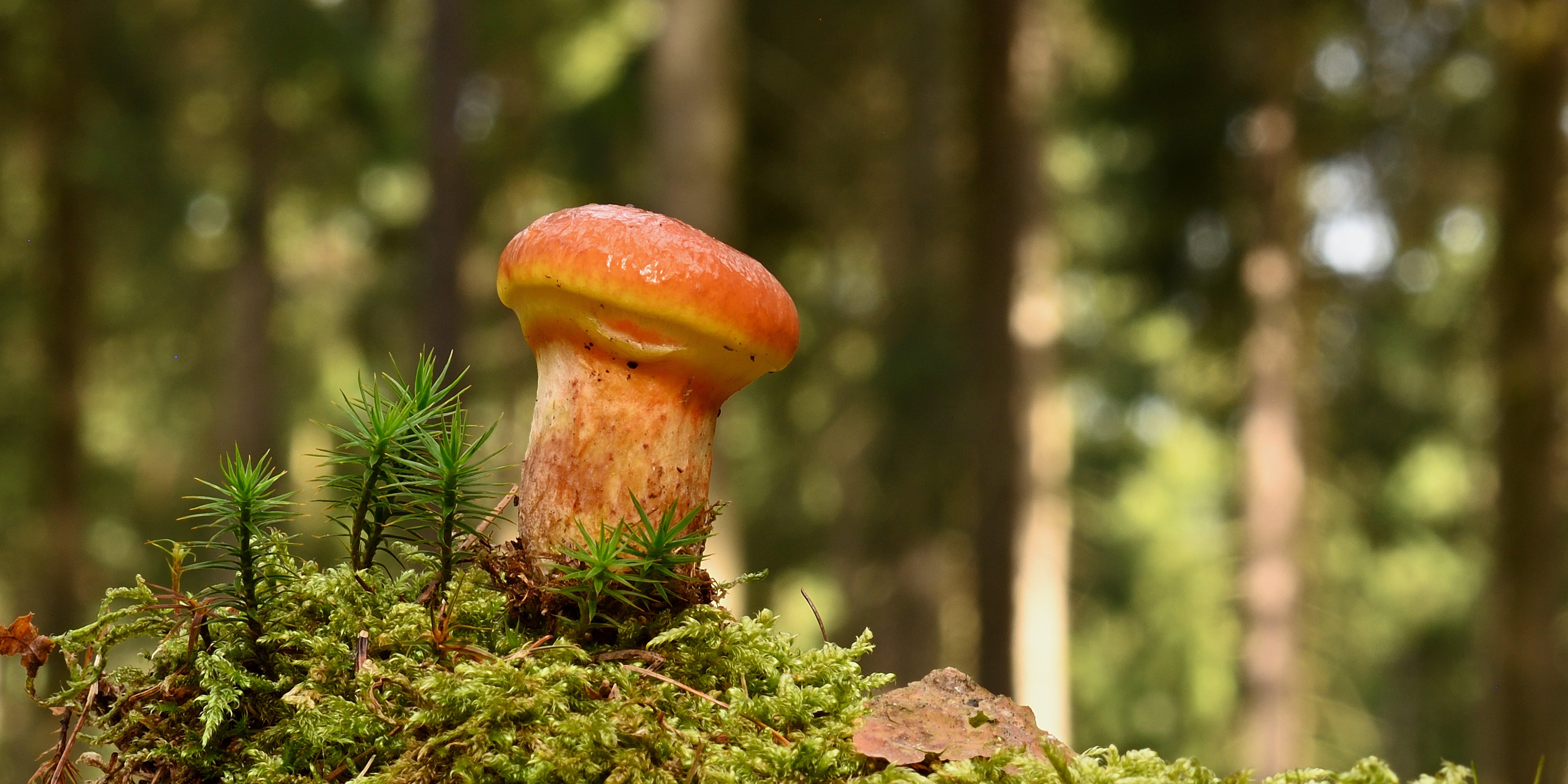
Autumn offers a particularly interesting opportunity to practise this kind of attention. As leaves fall and familiar plants begin to die back, the landscape reveals things we might overlook during the growing season. Dried seed heads, exposed branches, roots, fungi, and the slow decomposition of fallen leaves all tell us something about the living systems around us.
For herbalists, these observations are more than seasonal curiosities. They help us understand how medicinal plants grow, adapt, reproduce, and participate in their ecosystems. The burdock root we harvest, for example, has developed within a living soil community shaped by countless organisms. Learning about that root means understanding not only its medicinal properties, but something of the conditions that made its growth possible.
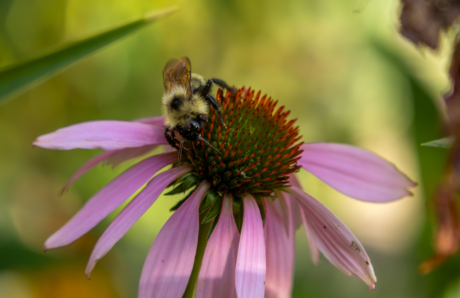
The more closely we observe, the more we begin to recognize that a medicinal plant is never simply an isolated collection of therapeutic constituents. It is a living organism, shaped by its environment and participating in relationships of its own.
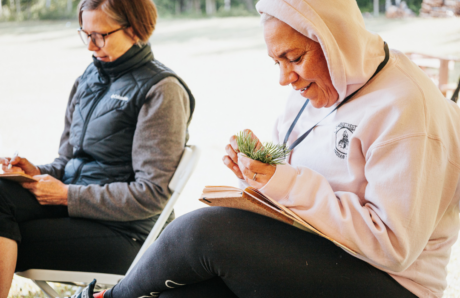
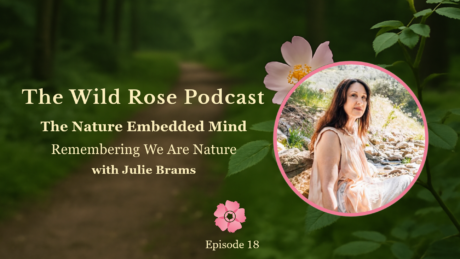
In a conversation on The Wild Rose Podcast, host Megan Kendrick and Julie Brams explore this aspect of connecting with the natural world. Megan reflects on the importance of sensitivity in herbal practice and the ways herbalists learn to recognize subtle changes, patterns, and relationships through direct experience. It’s a reminder that while books and formal study provide an important foundation, some aspects of herbal knowledge can only develop through spending time with the plants themselves.
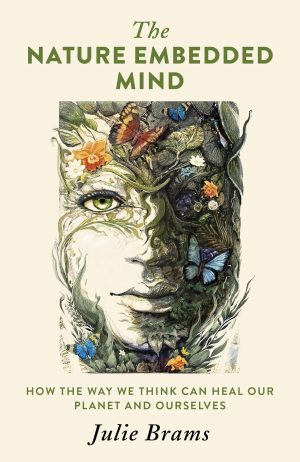
In The Nature Embedded Mind, Julie offers a simple invitation:
“Let go of your expert mind!”
For herbalists, this doesn’t mean setting aside the knowledge we’ve worked hard to develop. It means remaining open to what we haven’t yet noticed or understood. Even a plant we’ve studied for years can surprise us. We might discover something new about its growth, encounter it in an unfamiliar habitat, or notice a characteristic that changes how we understand it.
Perhaps one of the most rewarding aspects of herbal study is that there is always more to learn, especially when we allow ourselves to be curious. And rather than always asking what a plant can do for us, we might also begin asking what it means to know that plant as another living being.